
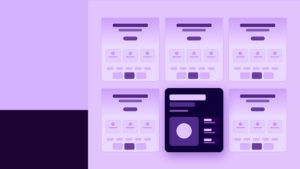

Scalable platforms for customisation & personalisation
Our design process is flexible, with our knowledge and experience allowing us to deliver enterprise platforms that scale.
We focus on creating intuitive, personalised experiences that align with users’ goals.
We’ve worked with a range of clients to design and build many different types of platforms. From SaaS platforms and booking engines, to Intranet, Interactive or Intelligence portals.
Every element, from navigation to interface components, is designed to support scalability, performance, and seamless customisation as your platform evolves.
A clearly defined process
Our platform design approach follows a waterfall methodology, ensuring each phase - from research and ideation, to development and deployment - is meticulously planned and executed.


Research and planning
We begin by getting close to your business: gathering stakeholder requirements and clearly defining the scope, purpose and goals of your platform, so every design decision that follows has a clear reason behind it.

Structure & flow definition
Platforms have a lot of moving parts. We work with your team to map the architecture and information structure, defining exactly how different user types will navigate and interact across the platform.

User Experience (UX) design
Accounting for every user and task flow, we design detailed, realistic wireframes flow by flow, mapping the practical journey your users will actually take rather than just isolated screens.

User Interface (UI) design
Once wireframes are signed off, we apply the visual design across the full platform, bringing your brand to life in a consistent, accessible interface. For larger builds, this stage can be split into sprints to match your team’s pace.

Development preparation
Our design and development teams work closely to make the handover seamless. We document every flow, finalise the design system, set accessibility and interaction guidelines, and catalogue feature requirements, so nothing is lost between design and build.

Platform testing
Throughout development, our design, engineering and QA teams collaborate continuously, testing as we go rather than only at the end, to make sure the finished platform performs exactly as intended.
Design services
Our team is adept at navigating a wide range of design complexities, whether it’s enhancing user experience, streamlining digital products, or creating cohesive visual systems.
User Interface (UI) design creates a seamless experience that balances both user and business needs. It enhances usability, and increases retention, by making interactions intuitive and enjoyable.
View service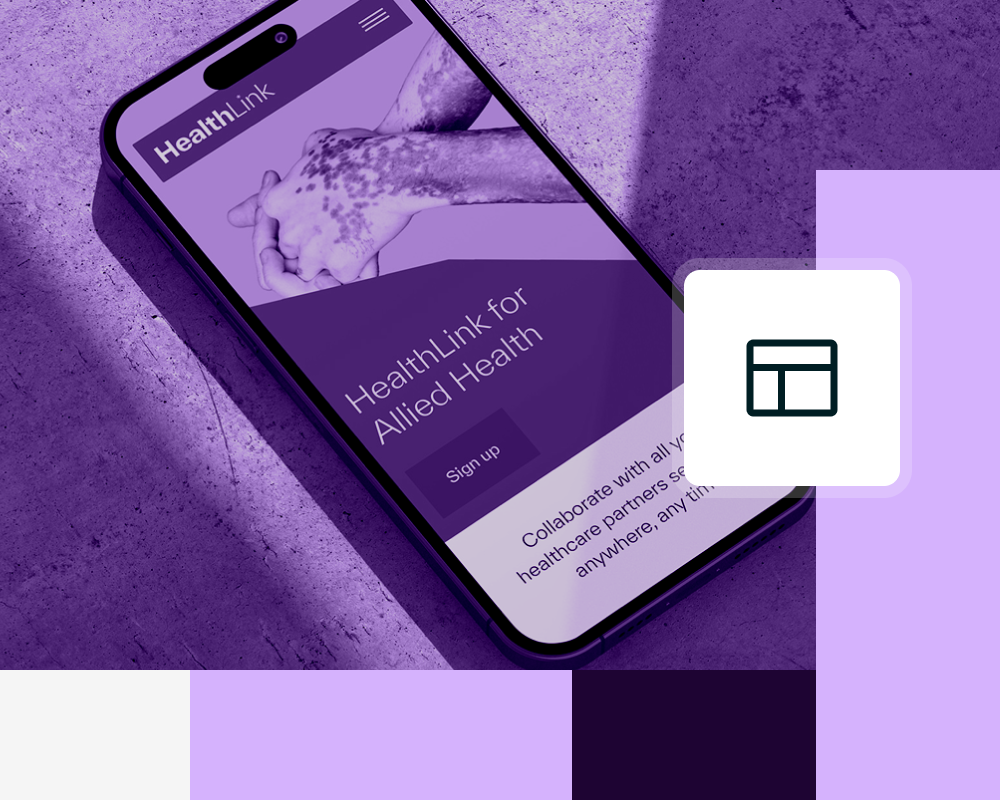
A website that looks right isn't always a website that works right. SoBold's usability testing evaluates a website's design and functionality by observing real users as they interact with the site.
View service
We test how your website performs against real user needs and business goals, uncovering usability issues and finding opportunities to improve performance.
View service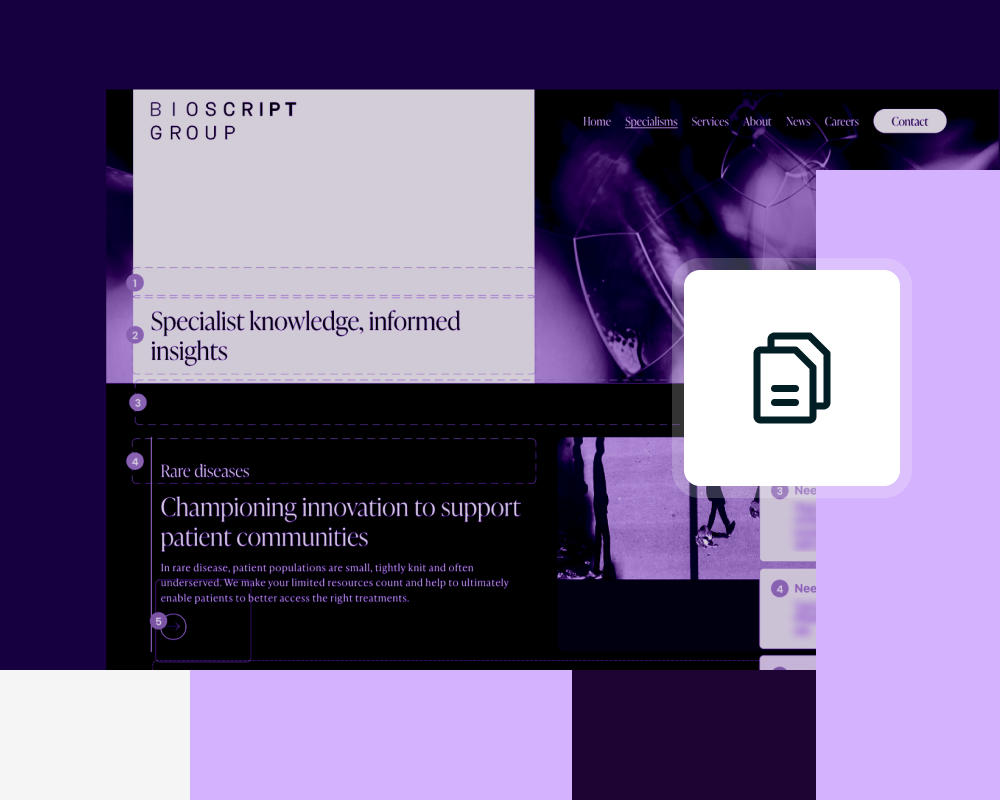
UX design makes your website easy to use - encouraging repeat engagement, building loyalty and, ultimately, driving revenue. Get a competitive edge and ensure you never lose potential customers to competitors.
View service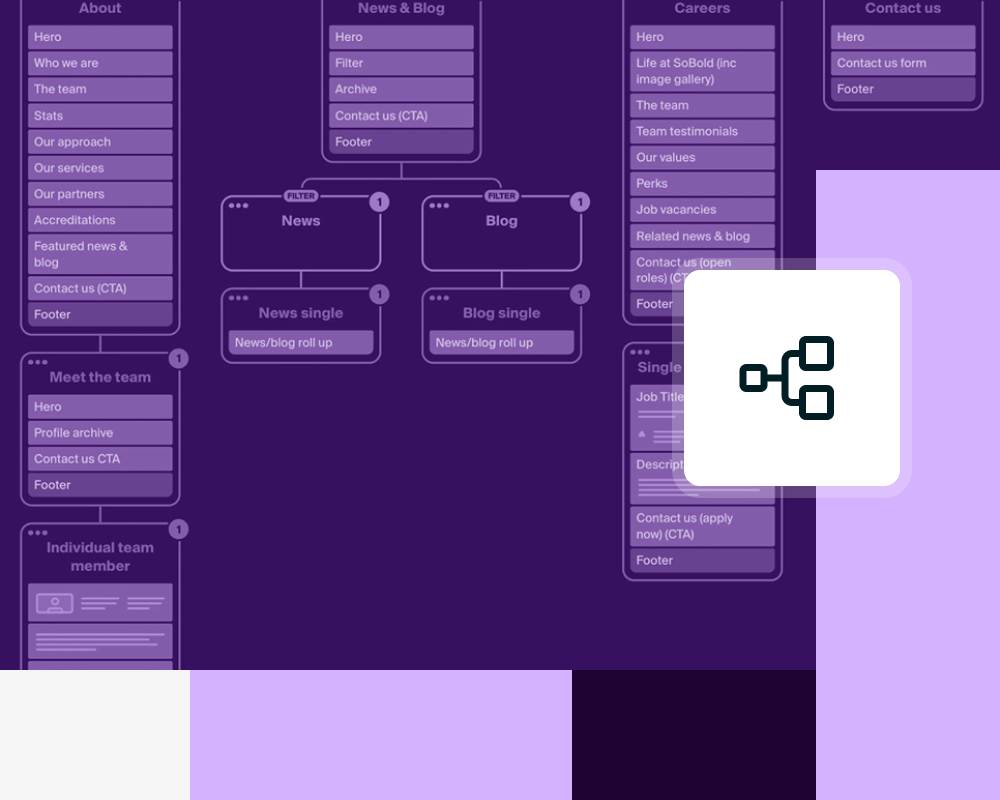
Our Design team takes the time to understand your audience and create tailored journeys that convert.
View service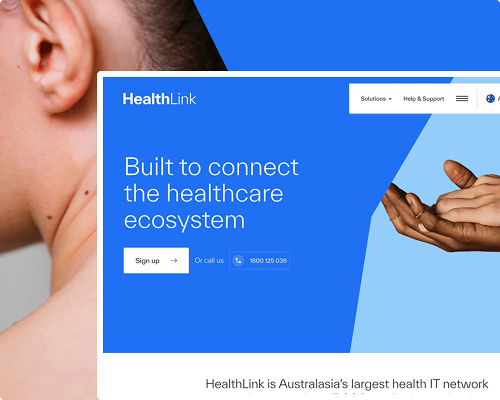
Testimonials


SoBold have the balance right between expertise, listening skills and ability to adapt and refresh. I would highly recommend them and I will continue to use them for future work.
 Karl Grundy
Managing Director
Karl Grundy
Managing Director


Recent work

Working with SoBold since: 2022
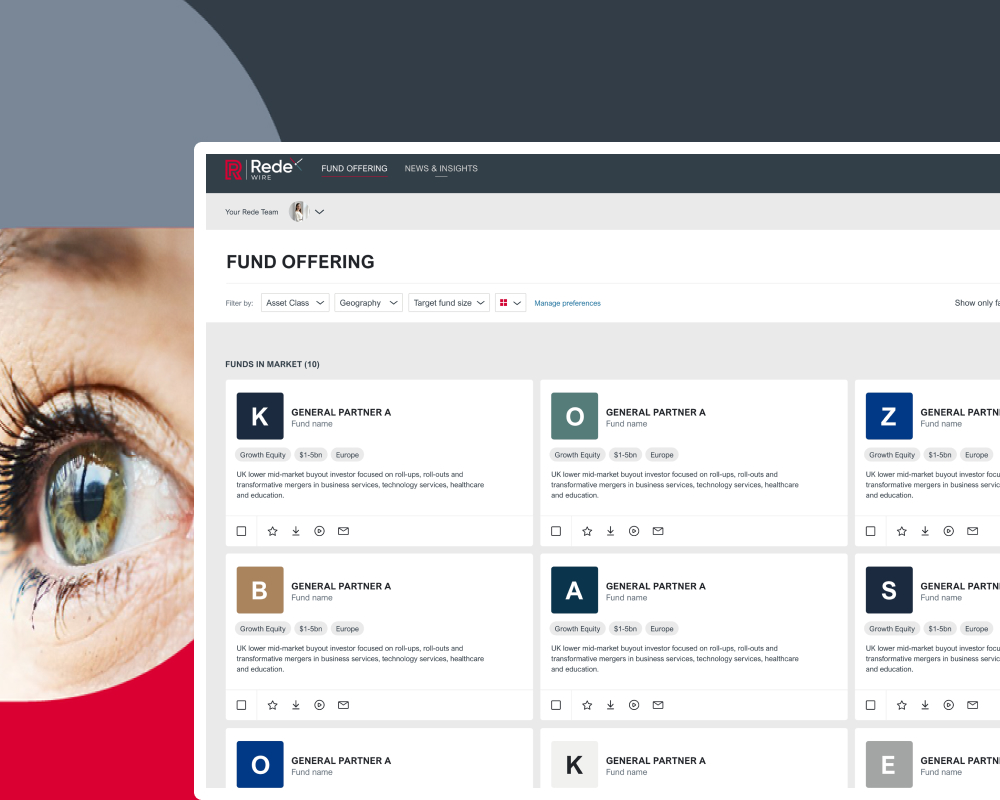
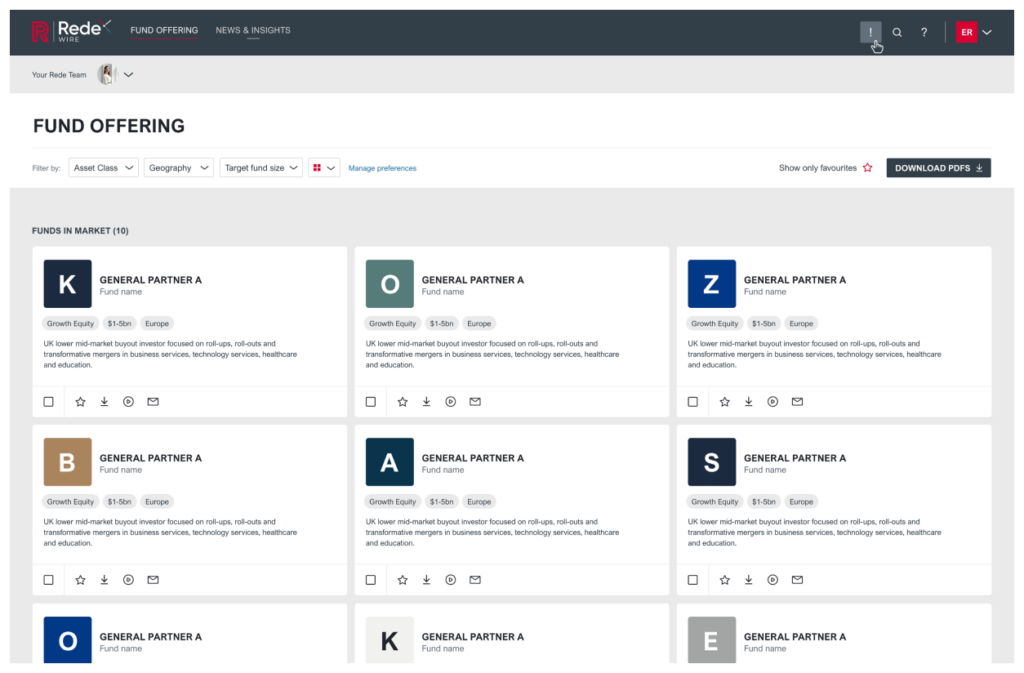
'Game-changing' Digital platform for Rede Partners, allowing institutional investors to navigate upcoming funds.


Working with SoBold since: 2019
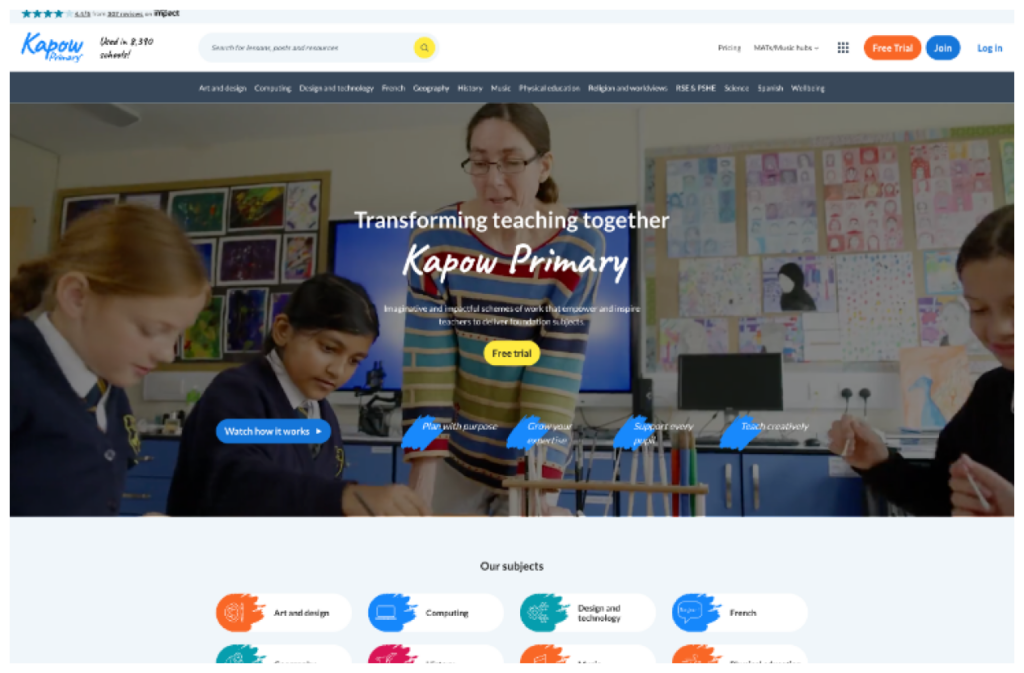
Website Design, Development and ongoing Management for leading education publisher Kapow Primary.

Related design insights
Same-same AI websites have a place but will not differentiate you in a time where uniqueness and rememberability matters most
 Will Newland
1 min read

How UI design has changed with AI tools
 Laura Gray
6 min read

How our design team actually works with AI
Laura Gray
5 min read
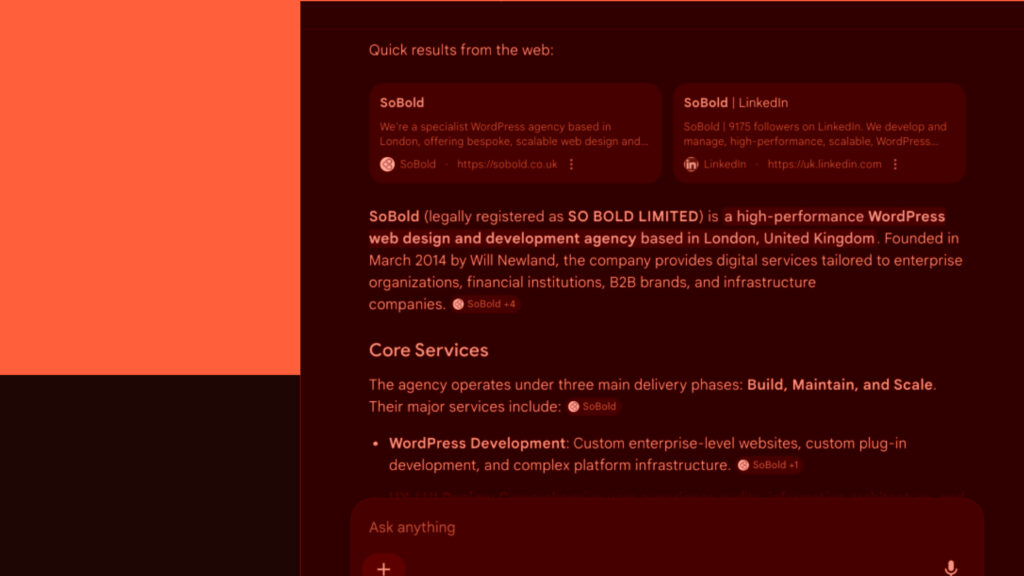
One website, two audiences: what we’re seeing in AI search right now
 Sam Buckingham
5 min read
FAQs about our platform design work

Get in touch with Will for more answers.
Platform design covers more than a website because a platform behaves like a product. It serves multiple user roles, each with its own permissions and journey; it includes interactive features such as dashboards and analytics; it handles scalable, secure data; and it connects to third-party systems like CRMs and payment gateways. Websites are typically content-led and serve one main type of visitor, so they rarely need the role-based, state-by-state design that platforms require.
Scalability is part of the planning from day one. We assess long-term needs upfront and design a flexible architecture that can adapt as your business grows, rather than retrofitting scale later
Yes. A design system keeps a large platform consistent and on-brand across every screen, and it lets us extend the interface cleanly as it grows. Our design systems are aligned to the Tailwind CSS framework and our Figma setup mirrors it, which streamlines the work between design and development and makes brand updates simpler to apply on an ongoing retainer.
We build prototypes when an interaction needs validating or a problem needs to be made visible, rather than for every project by default. They are most valuable for high-value moments such as a sign-up flow or a checkout, where the interaction has a direct effect on conversion. For most of a platform, documented flows and states are enough.
We start with analytics and behaviour tools to see how people are using the platform, then run targeted testing through Userberry, which provides participants matched to the client’s industry. Industry-matched panels give feedback that reflects how the platform will actually be used; for a healthcare platform, that means input from people in roles like doctors and nurses rather than a general audience.
We design to WCAG 2.2 AA, which we consider the right standard for enterprise platforms. AA delivers an accessible, on-brand and high-functioning experience; AAA is reserved for public-sector and government contexts where it is required. We raise accessibility at the moodboard stage so it is built in from the start rather than retrofitted.
We design across five breakpoints: 1920px, 1366px, 992px, 768px and 375px. This covers large desktop displays through to mobile, so the platform holds up across the devices a real user base will actually be on.

Work with our team to build and scale your bespoke requirements.
Once you submit the form one of our team will contact you to set up a meeting to clarify your requirements and build a quote.
Working with leading b2b clients