Claude Fable 5 has had the strangest launch of any AI model in recent memory. Anthropic released it on 9 June as the first of its Claude 5 family, the US government suspended it three days later under an export control directive, but on 1 July it came back.
Now that the dust has settled, we sat down with our lead developer, Leo, to find out what the development team has actually been doing with it and where it fits alongside the models we already use every day.
The right model for the job
The headline finding from Leo is an unglamorous one: for most of the work an agency does day to day, Fable is unnecessary.
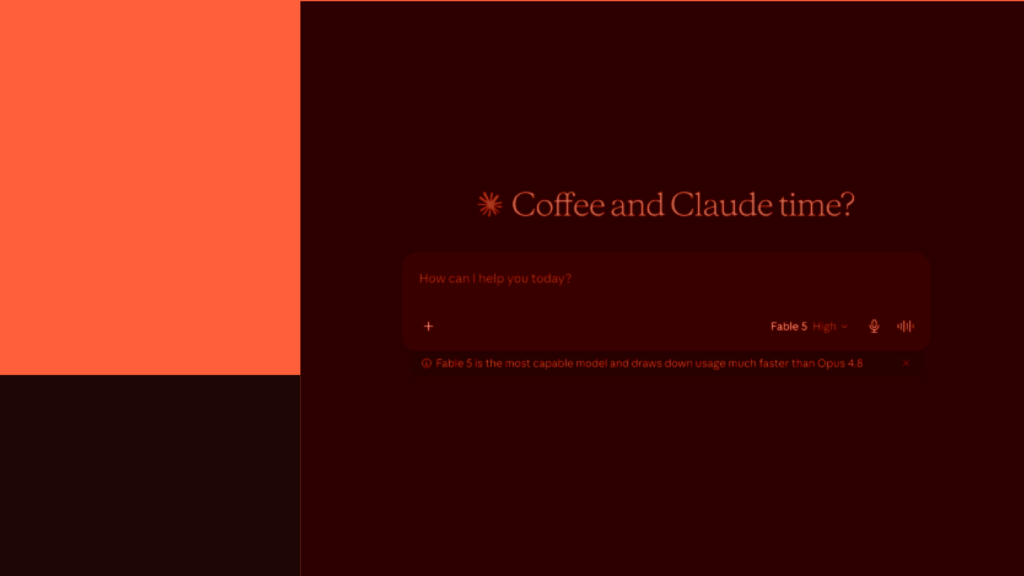
That tiering has become the team’s default. Sonnet handles the bulk of build work. Opus, run with deeper reasoning switched on, covers the harder one-off problems where you want confidence that enough thinking has gone into the answer. Fable is reserved for the tasks that genuinely need frontier capability, which in practice means work that cuts across many codebases at once.
Where Fable earns its place
The clearest example so far is a cross-repository experiment Leo ran when access was restored. He cloned seven or eight of our repositories into a single parent folder, connected an Obsidian vault of project notes alongside them, and ran Claude Code from the parent directory – giving Fable visibility over the whole estate rather than one project at a time.
Fable then spawned four or five sub-agents, each exploring a different repository in parallel.
Leo is quick to point out that the searching itself is nothing special – a smaller, cheaper model such as Haiku can search a codebase perfectly well. What stood out was what Fable did once the results came back: reasoning about the findings, and judging which ones mattered and how they connected across projects. Opus might eventually reach a similar understanding of the same codebases; Fable got there in one pass, and noticeably faster.
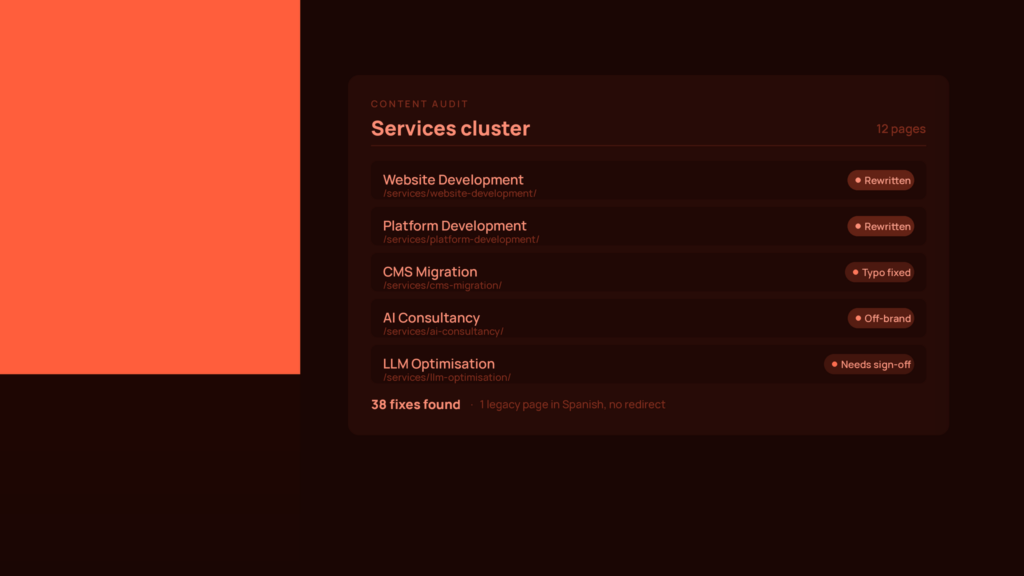
For an agency, that capability maps onto a specific class of work: audits across a client’s whole digital estate, or large features and rebuild investigations that span several systems at once – the kind of job that previously meant days of a senior developer’s time before any real work could start.
Safeguards you can see working
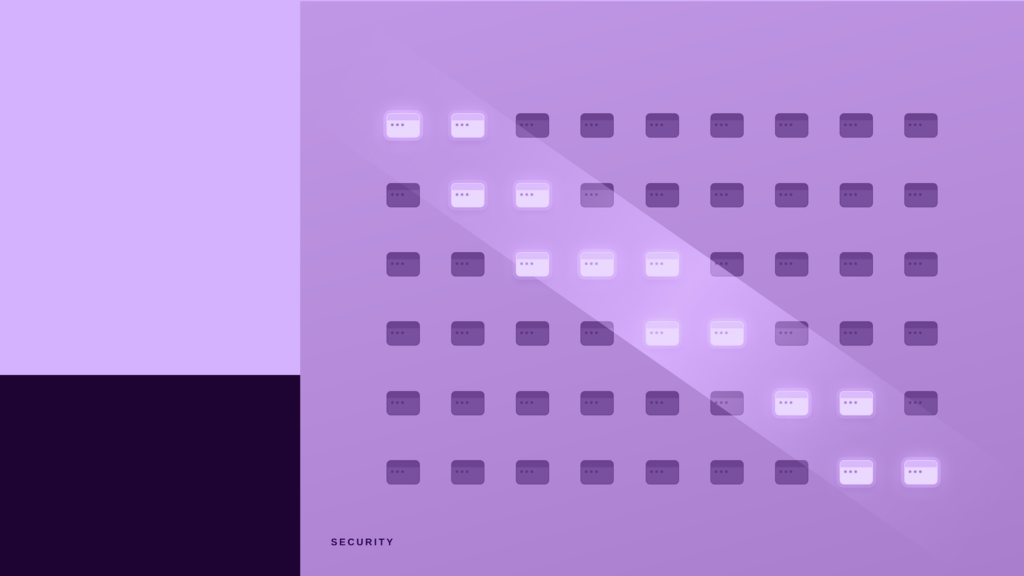
Midway through that session, Fable’s own guardrails made an appearance. While reading through code, it surfaced an issue with security implications, and the conversation automatically switched over to Opus.
This turns out to be documented behaviour. Fable 5 is the same underlying model as Anthropic’s restricted Mythos 5, released for general use with strong safeguards around cybersecurity and biology. When automated checks flag a query in those domains, it is routed to Opus 4.8 and the conversation carries on there – Anthropic publishes a support article explaining exactly this fallback.
Those safeguards are also the backstory to the June suspension. The export control directive followed a report that researchers had found a way of prompting Fable around its cybersecurity guardrails; Anthropic tightened the safeguards, the controls were lifted on 30 June, and the model was redeployed the following day.
In day-to-day agency work, the fallback has been a non-event. The flagged session simply continued on Opus, and Leo’s morning of reasoning-heavy exploration – no code edits, just searching and analysis – used under a tenth of his weekly allowance.
Don’t build your workflow around one model
If the suspension taught us anything, it is that access to any single model can disappear overnight, for reasons entirely outside your control. For three weeks, anyone who had built their process around Fable specifically had to work without it.
Leo’s view is that this matters less than it sounds, because models are becoming interchangeable for most tasks.
Claude Code also lets you switch models mid-task, which softens the dependency further. The practical posture we have settled on is to match the model to the size of the problem, and to keep enough spread across models and tiers that losing one – even for three weeks – doesn’t stall client work.
What happens next
Fable-class capability changes what an agency can offer at the top end. Whole-estate audits and cross-system investigations that were previously too slow to be commercially viable are becoming afternoon jobs, and we are folding that into how we scope and deliver enterprise WordPress projects.