A headless architecture means decoupling the front end and back end to allow for greater flexibility, scalability, and multi-platform content delivery.
This gives you the freedom to deliver content across multiple digital platforms, all while managing everything from your WordPress interface.
From a development perspective, it means you’re no longer tied to the Content Management System and instead you can use modern tools like JavaScript, React, Vue.js, or React Native to build fast and engaging experiences.
Technologies we use when building Headless WordPress


Multi-service content pipelines
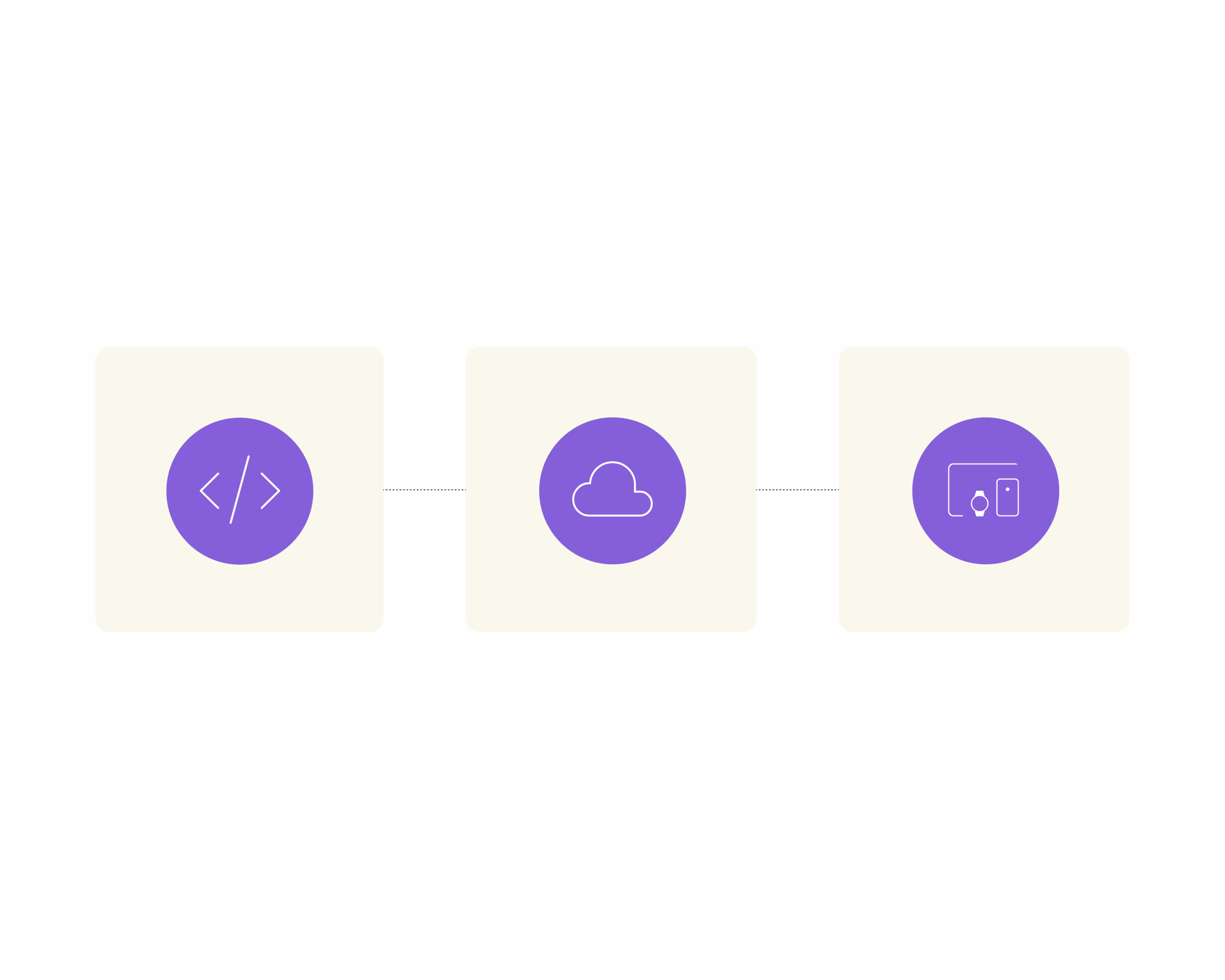
A headless CMS can serve as the primary data source for a site or application, or act as one component within a larger system that pulls and combines data from multiple sources.
This flexibility allows it to fit seamlessly into existing workflows, functioning as just one layer in a broader architecture.
CMS migration
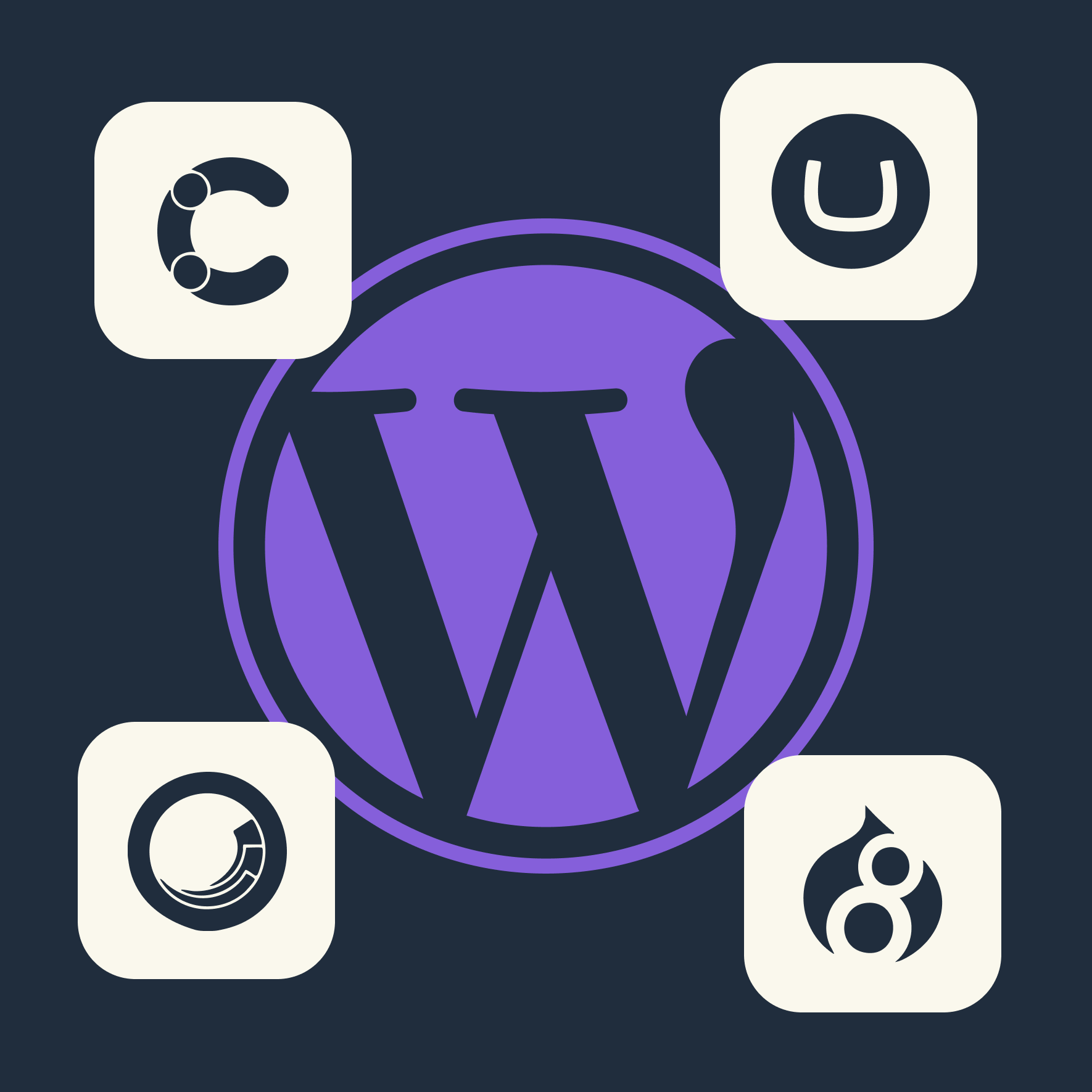
We regularly work with clients to help them migrate their website to an up-to-date content management system (CMS). Typically we perform migrations from Umbraco, Drupal, Contentful, and Sitecore.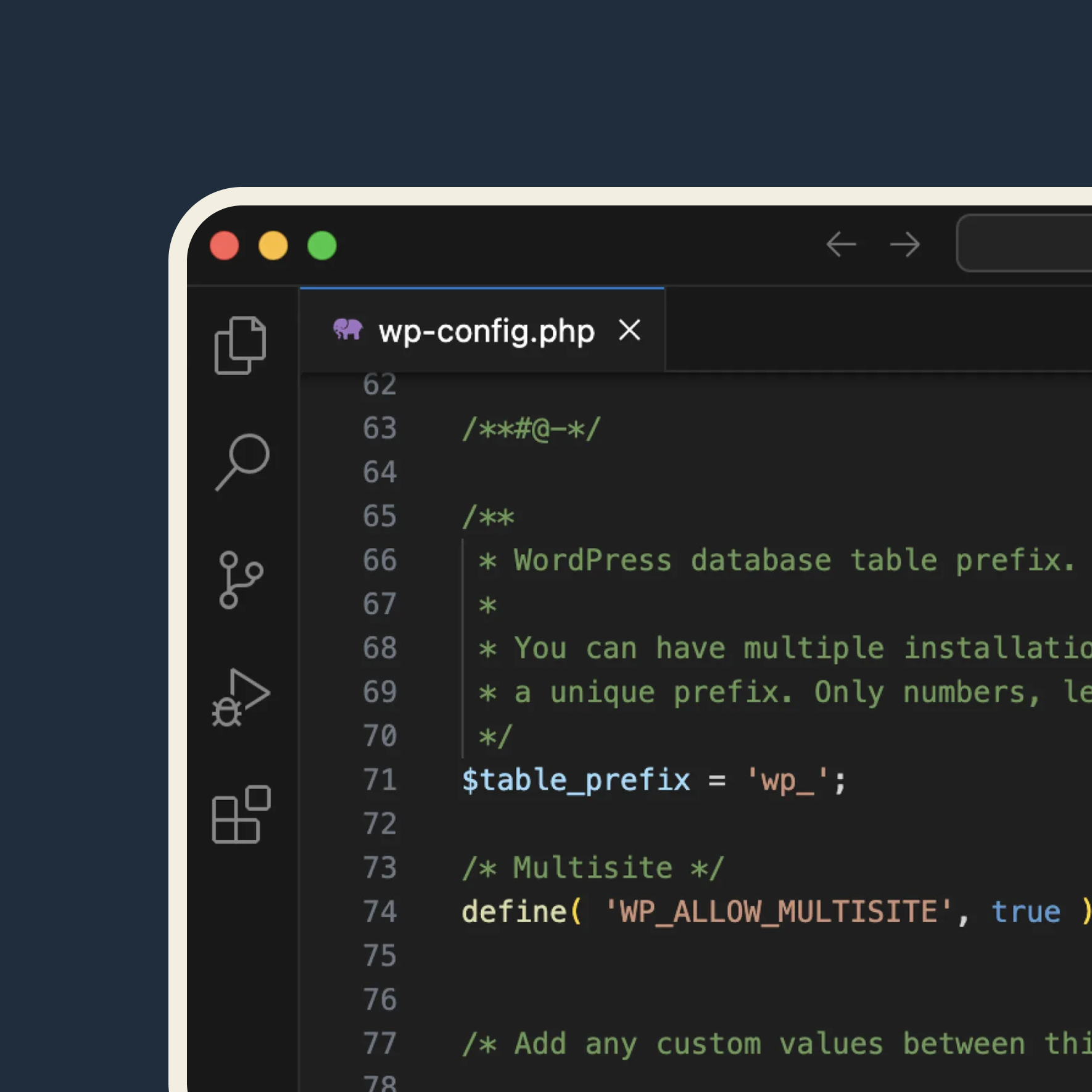
Multilingual websites
Manage seamless multilingual experiences without compromising performance or consistency.
API integrations
Connect your systems, streamline workflows, and unlock new functionality with tailored API integrations.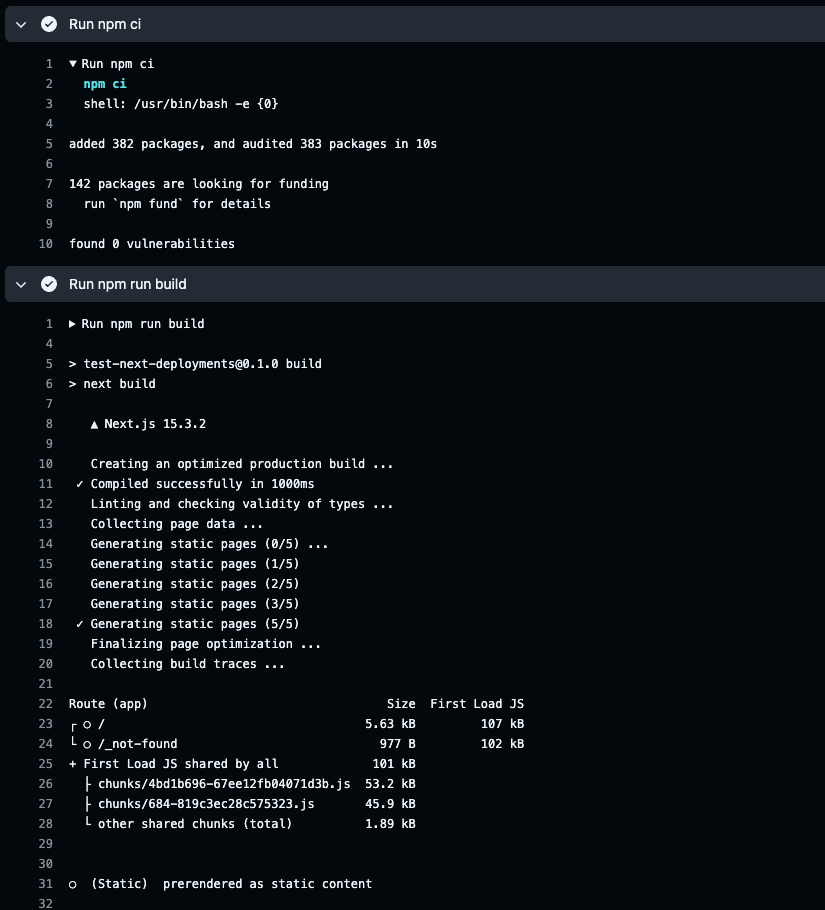
Code audits
A thorough code audit is our first step when taking over the management of any website as it ensures we can effectively manage and develop on the website moving forward.
Cookie management
SoBold helps clients implement and manage a tailored Cookie Consent Management system across their websites.

Common questions about headless WordPress
What is headless WordPress?
Headless WordPress separates the content management back-end from the front-end presentation layer. You still manage content through WordPress, but the front-end is built using modern technologies like React or Vue.js, giving greater flexibility and performance.
When should we consider a headless architecture?
Headless is worth considering when you need to deliver content across multiple platforms (web, app, kiosk) from a single source, or when your front-end requirements demand a level of interactivity that traditional WordPress themes cannot support.
What frontend technologies do you use?
We work with React, Vue.js, Next.js, and React Native, among others. The choice depends on your project requirements, existing tech stack, and long-term goals.
Does headless WordPress affect SEO?
When implemented correctly, headless WordPress can deliver excellent SEO performance. We ensure server-side rendering is properly configured so search engines can crawl and index your content without relying on client-side JavaScript.
Can editors still use the WordPress dashboard with a headless setup?
Yes. The content editing experience remains familiar. Your team continues to create and manage content through the WordPress dashboard, while the front-end pulls that content via the REST API or GraphQL.