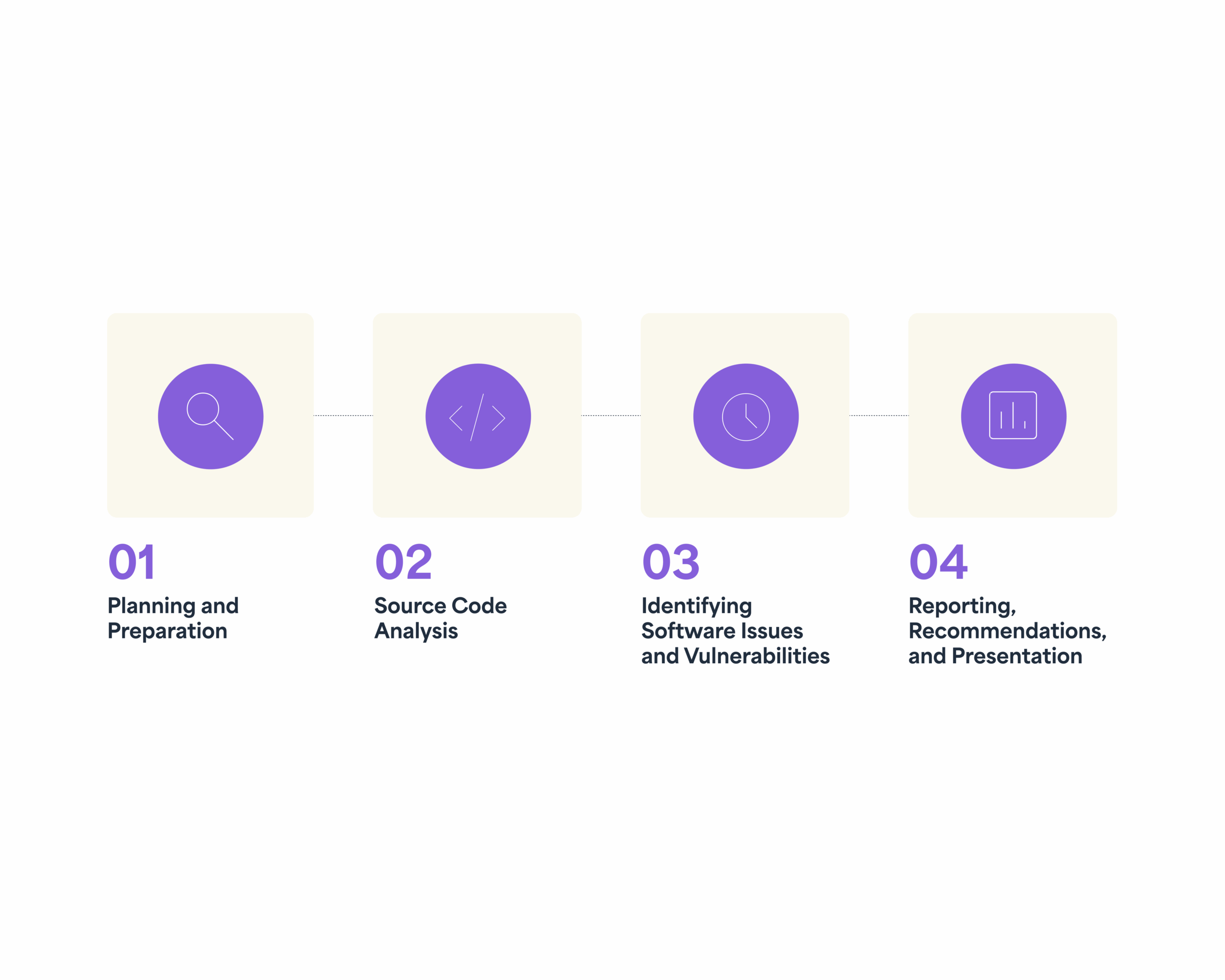
Depending on the size and complexity of the site, a code audit is typically completed over a 2-3 day period.
It involves us reviewing and documenting the existing codebase and site architecture to understand how the site was constructed.
Once the audit is complete, we have the necessary technical information to be able to manage the site and this is referred back to by the SoBold team on completion of any development work moving forward.
Benefits of a code audit
A code audit can help you uncover bugs, technical debt, and hidden vulnerabilities before they become costly issues.
Get in touch with Will to see how SoBold can help...

Founder
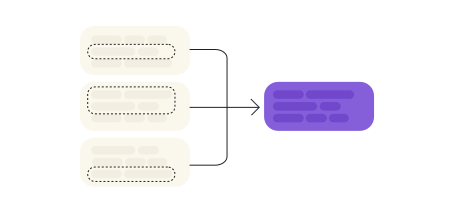
Comprehensive understanding of the current code
Fully understand your codebase to optimise performance.
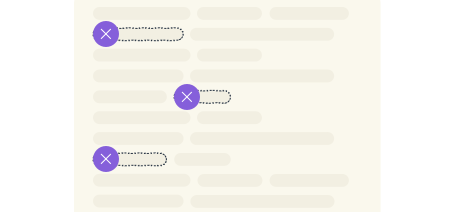
Spot potential blockers
Identify and resolve issues early for smooth development.
Ensure best practices are in place
This helps us determine if and how we can manage the site.
Related news






CMS migration
We regularly work with clients to help them migrate their website to an up-to-date content management system (CMS). Typically we perform migrations from Umbraco, Drupal, Contentful, and Sitecore.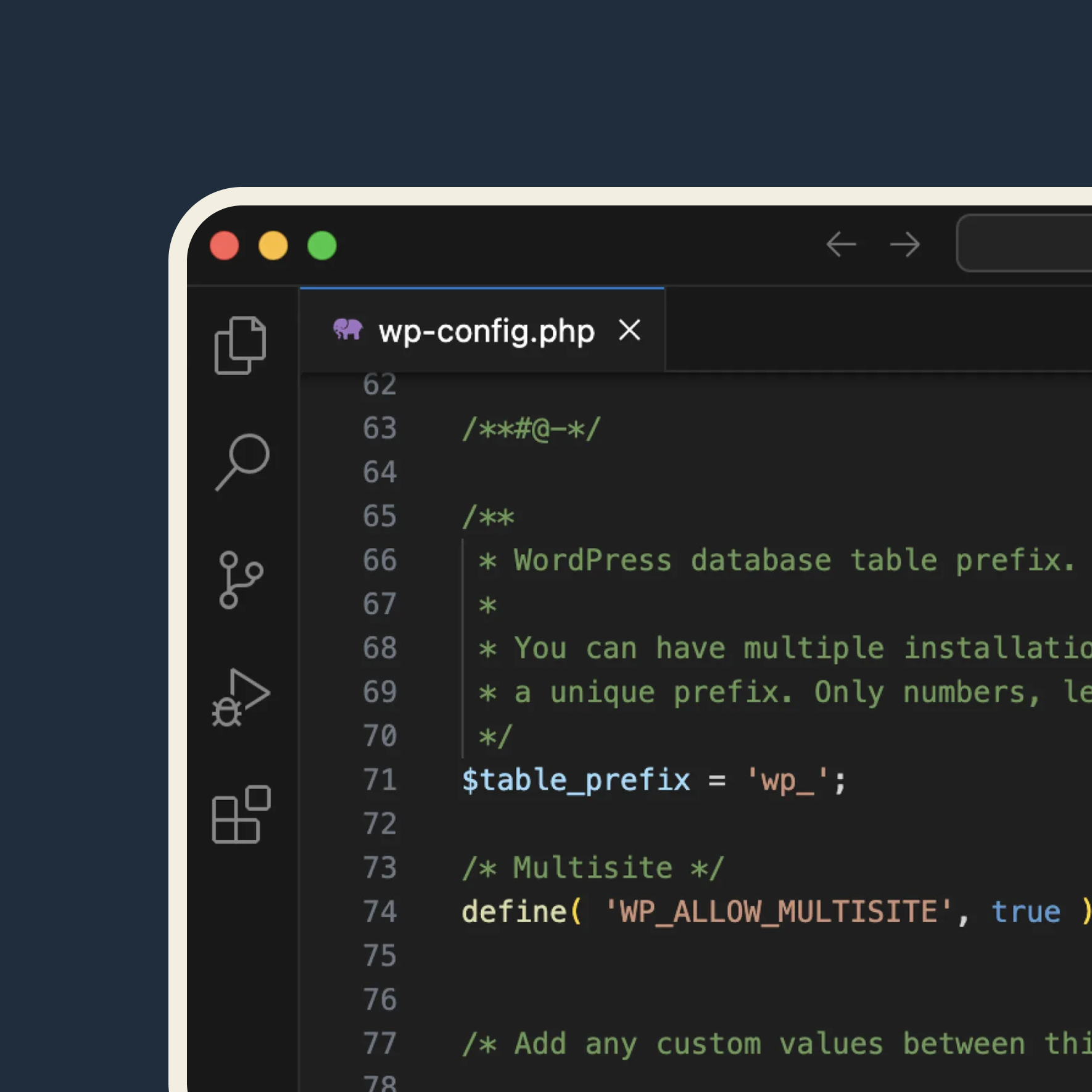
Multilingual websites
Manage seamless multilingual experiences without compromising performance or consistency.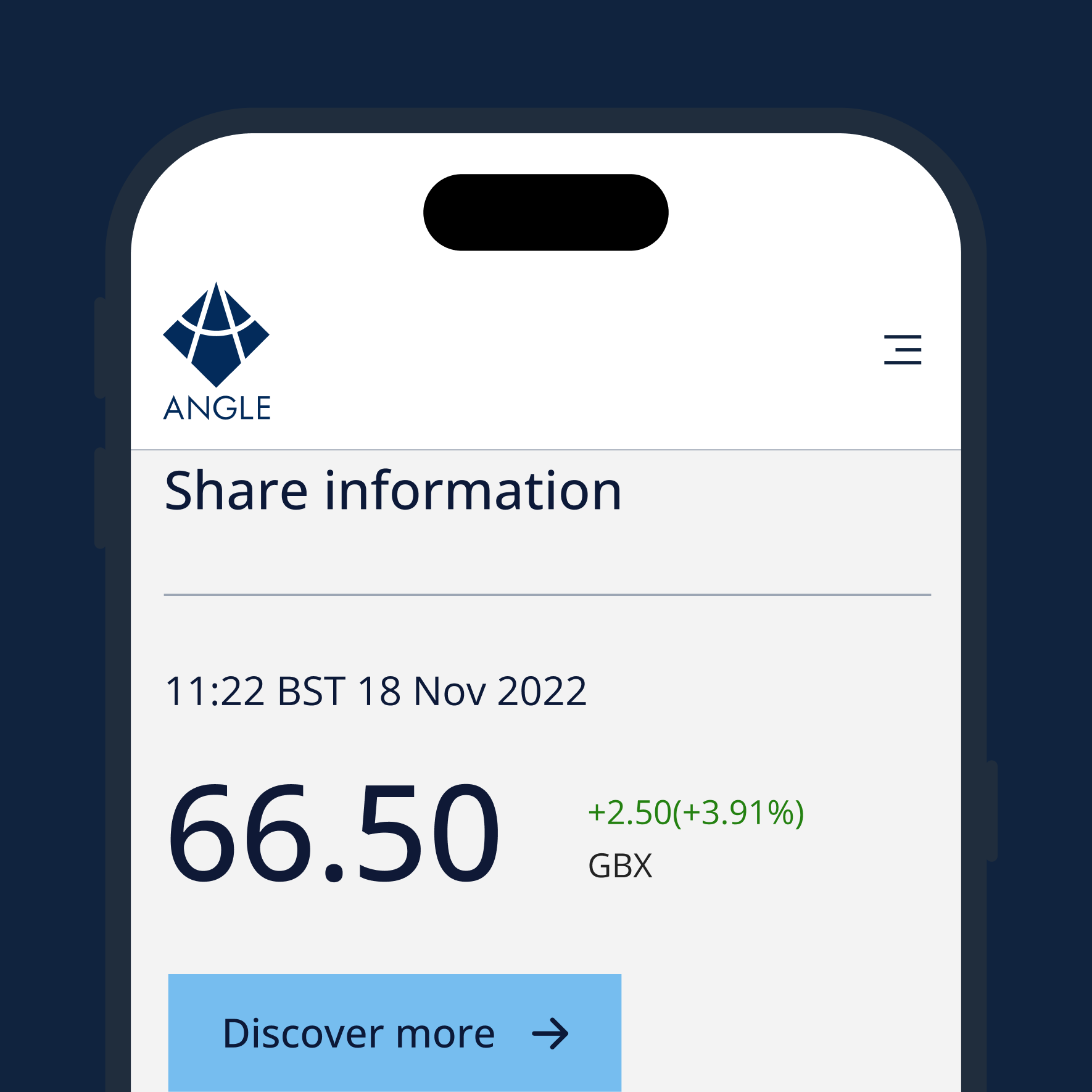
API integrations
Connect your systems, streamline workflows, and unlock new functionality with tailored API integrations.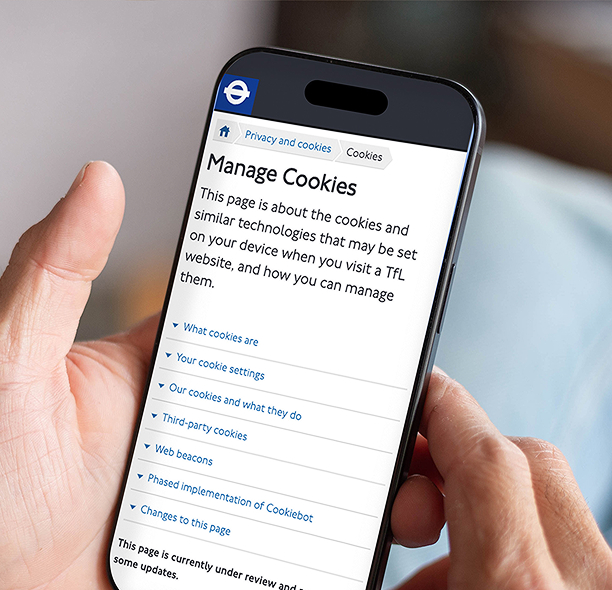
Cookie management
SoBold helps clients implement and manage a tailored Cookie Consent Management system across their websites.
Headless and Rest API
This website architecture allows larger teams to manage omnichannel content distribution, giving greater flexibility across platforms and devices.FAQs
What does a code audit involve?
We review your entire codebase and site architecture, checking code quality, security vulnerabilities, technical debt, and adherence to WordPress best practices. The result is a detailed technical reference that informs all future development work.
How long does a code audit take?
A typical code audit takes 2-3 days, depending on the size and complexity of the site. We prioritise thoroughness to make sure nothing is missed before any development work begins.
When should we consider a code audit?
We recommend a code audit whenever you are bringing in a new development partner, planning a significant feature build, or experiencing unexplained performance issues. We conduct one as standard when taking over management of any website.
What do you deliver at the end of a code audit?
You receive a comprehensive technical report covering code quality findings, security concerns, performance issues, and prioritised recommendations. This becomes the reference document for ongoing development and management.
Can a code audit identify security vulnerabilities?
Yes. Security assessment is a core component. We check for common vulnerabilities, outdated dependencies, insecure coding patterns, and configuration issues that could expose your site to risk.